A Thing About Cancer, Boulevard Vol. 34, No. 1., selected, Best American Essays 2020
https://boulevardmagazine.org/clinton-crockett-peters
“Every year, nine thousand feet above the sea on the plateau of Antarctica, fifty people wave goodbye as the last plane takes off and winks out over the horizon. The women and men settle in for a gloomy winter, isolated February to October. Temperatures plummet to minus seventy Celsius, concreting cameras and morphing jet fuel into a solid. The scientists, galley workers, and unlucky endure at the Amundsen— Scott South Pole Station in near-hibernation inside a building on stilts, riding above the wind-blown snow. They will not see another human face for eight months.
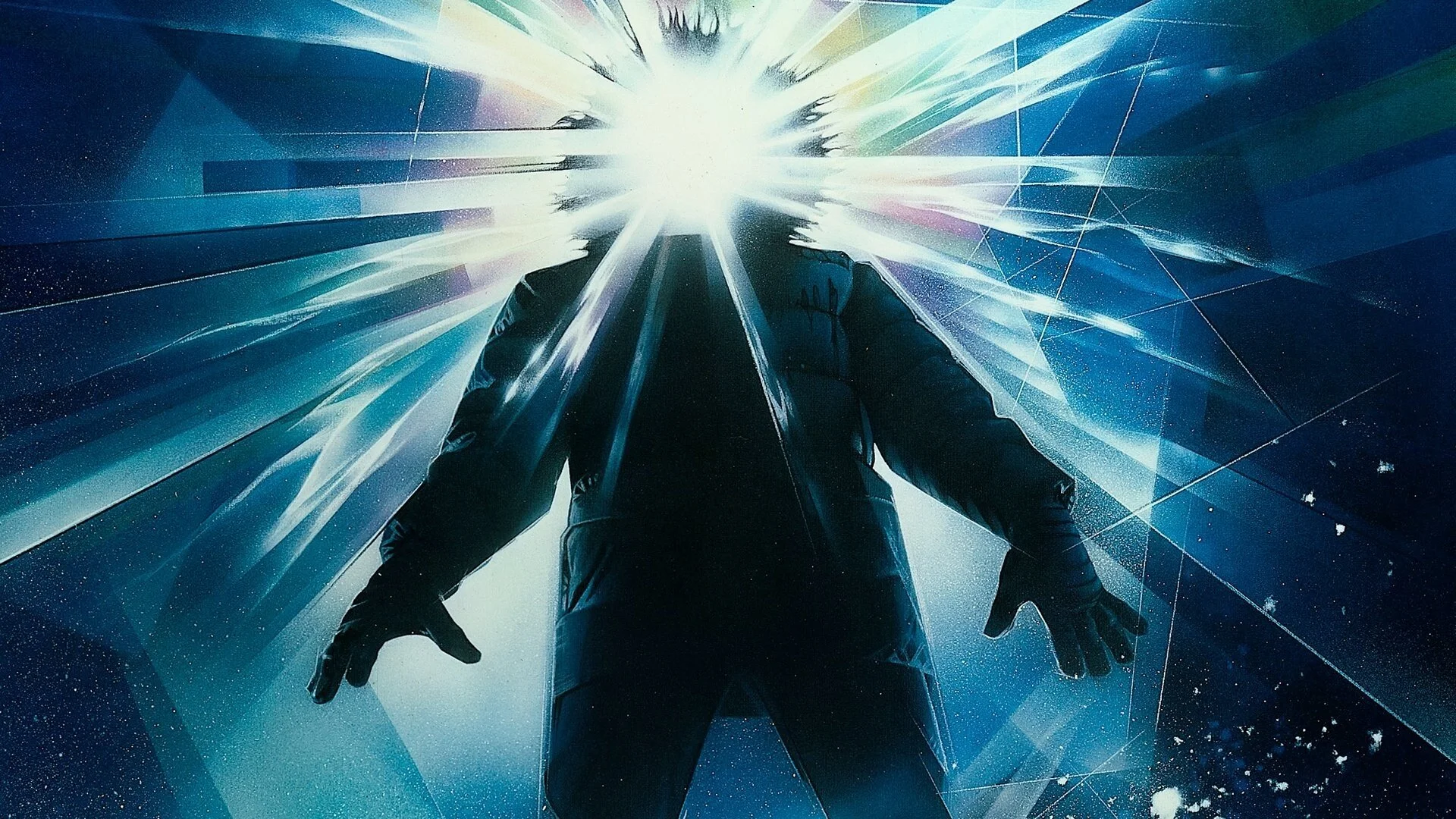
On that first night of winter, the polar residents congregate in a gymnasium where they otherwise smash volleyballs, learn salsa, or duel at Kung Fu. When the supply plane has flown, the crew dim the gym lights and unfurl a movie screen. They sit and eat popcorn. Some, perhaps, cuddle. The words The Thing burn across the gym, a phosphorescence like an Antarctic whiteout.
They settle in and watch movies featuring a polar station isolated and attacked by a shape-shifting alien during the first week of dark. The South Pole residents screen all three Thing films (from 1951, 1982, and 2011), each based on the novella Who Goes There? by John Campbell about an alien that survives frozen winds, consumes human flesh, and secrets in shadow.
Of the three Thing movies, John Carpenter’s is the clockwork of terror. The story is “cyclical, mythical,” according to film critic Anne Billson, happening long ago and yesterday. It has birthed a prequel, novelization, video game, fan site, graphic novels, and a very fun board game. It is Carpenter’s favorite creation, as well as one of Quentin Tarantino’s, who twice filmed self-described Thing homages, Reservoir Dogs and The Hateful Eight.
It is one of my favorite movies, yet it reminds me of my father’s cancer. I first watched this movie as a teenager when my dad was disintegrating from a tumor that had invaded his skull and clawed its way around his brain. Dad’s outer appearance morphed from weight- lifting six-footer to a cornhusk who could barely talk.
I’m curious about the tentacles of The Thing and other body horrors, how they slither into our imaginations, how they squeeze us into panic yet earn fans’ ardor. Why do I watch a movie yearly that recalls my father’s demise just as those polar astronauts do when winter closes in?…”
Quisque iaculis facilisis lacinia. Mauris euismod pellentesque tellus sit amet mollis.