• Essays
  • Longform Journalism
  • Fiction
  • Pandora's Garden: Kudzu, Cockroaches, and Other Misfits of Ecology
  • Mountain Madness: Found and Lost in the Peaks of America and Japan
  • Author Interviews BY Me
  • Book Reviews BY Me
  • Author Interviews and Reviews OF me
  • Contact
  • About
Menu

Clinton Crockett Peters

Street Address
City, State, Zip
Phone Number
Writer

Your Custom Text Here

Clinton Crockett Peters

  • Essays
  • Longform Journalism
  • Fiction
  • Pandora's Garden: Kudzu, Cockroaches, and Other Misfits of Ecology
  • Mountain Madness: Found and Lost in the Peaks of America and Japan
  • Author Interviews BY Me
  • Book Reviews BY Me
  • Author Interviews and Reviews OF me
  • Contact
  • About

Giving Fire, Superstition Review Issue 22

https://superstitionreview.asu.edu/issue22/nonfiction/clintoncrockettpeters

“Hermetic mountain monks in Japan, the yamabushi, were once called upon by hill-nestled towns to carry messages to the clouds. Around the ninth or tenth centuries, this priesthood formed when people gazed upon craggily peaks and saw the realm of ghosts. Cemeteries were built on mountains as they still often are in Japan. The modern term “toge,” for mountain pass, has a root in the word “offering,” which is what you would give the spirit of a mountain if you hoped to cross alive.

It took a liminal figure to act as a go-between. The yamabushi were guides, priests, cemetery caretakers, and shrine keepers. They practiced Buddhist, Shinto, and animist religions. When they came back from peaks to the land of the living, it was sometimes assumed that they died and had returned born-again…”
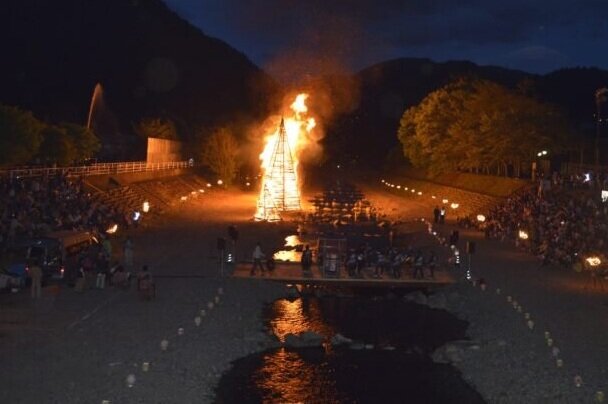
Giving Fire, Superstition Review Issue 22

https://superstitionreview.asu.edu/issue22/nonfiction/clintoncrockettpeters

“Hermetic mountain monks in Japan, the yamabushi, were once called upon by hill-nestled towns to carry messages to the clouds. Around the ninth or tenth centuries, this priesthood formed when people gazed upon craggily peaks and saw the realm of ghosts. Cemeteries were built on mountains as they still often are in Japan. The modern term “toge,” for mountain pass, has a root in the word “offering,” which is what you would give the spirit of a mountain if you hoped to cross alive.

It took a liminal figure to act as a go-between. The yamabushi were guides, priests, cemetery caretakers, and shrine keepers. They practiced Buddhist, Shinto, and animist religions. When they came back from peaks to the land of the living, it was sometimes assumed that they died and had returned born-again…”

17310639_1640717852611734_1203052871_o-768x510.jpg
Summary Block
This block is invalid. Please check the block settings and try again.
Featured
Aenean eu leo Quam

Powered by Squarespace