• Essays
  • Longform Journalism
  • Fiction
  • Pandora's Garden: Kudzu, Cockroaches, and Other Misfits of Ecology
  • Mountain Madness: Found and Lost in the Peaks of America and Japan
  • Author Interviews BY Me
  • Book Reviews BY Me
  • Author Interviews and Reviews OF me
  • Contact
  • About
Menu

Clinton Crockett Peters

Street Address
City, State, Zip
Phone Number
Writer

Your Custom Text Here

Clinton Crockett Peters

  • Essays
  • Longform Journalism
  • Fiction
  • Pandora's Garden: Kudzu, Cockroaches, and Other Misfits of Ecology
  • Mountain Madness: Found and Lost in the Peaks of America and Japan
  • Author Interviews BY Me
  • Book Reviews BY Me
  • Author Interviews and Reviews OF me
  • Contact
  • About

The Toxic Cactus, The Threepenny Review 162, Summer 2020

https://www.threepennyreview.com/tocs/162_su20.html

“ I start with the death. when he was most vulnerable.

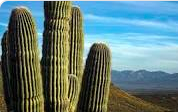
One day in 1989, outside Tucson, Edward Abbey sat up in his hospital bed, where he’d lain for four days vomiting blood, and pulled the tubes and needles out of his arms while saying it was time to go back to the desert. Three friends and his fifth wife snuck him out and into a truck, which left pavement and rolled over bajadas plains studded with ocotillo, creosote, and saguaro. The four living and one dying spent the night around a robust fire, Abbey in a camp chair, then in a sleeping bag. The sun rose, the sand and boulders firing as if in a kiln. Abbey’s death wish spread before him. But his body rebounded, so his loved ones carted him to his house, where he finally expired. Without phoning any authorities or obtaining a death certificate or autopsy, the friends wheeled him back to the desert. They drove off-road through washes, heading west with the sun low. One friend called the funeral a planting. Abbey wrote, “I want my body to help fertilize the growth of a cactus.” Abbey lay in his sleeping bag, hugged by the ground, desert sky above, vultures (Abbey's favorite bird) swarming overhead. Mountains rose in the distance, but no telephone poles, roads, billboards, or trails. Few words: only “No Comment” scrawled across a boulder tombstone.

It’s the thing I admire most about Abbey, his acceptance of his end—this after a life of hard drinking and clinging to his desert, a life filled with contradictions and a legacy I’m not so sure about. I recently reread his most famous novel, sixteen years removed from my first encounter. The book spun my mind, time-traveling me to a perch above the young man I was. I adore the Western lands Abbey wandered, and I still decry their strip-mining-gutting-agriculture-fucking, but I no longer believe in violent ecological revenge. It taps into male stereotypes that I was born with and have clung to, ones I’m trying to let go of…”
The Toxic Cactus, The Threepenny Review 162, Summer 2020

https://www.threepennyreview.com/tocs/162_su20.html

“ I start with the death. when he was most vulnerable.

One day in 1989, outside Tucson, Edward Abbey sat up in his hospital bed, where he’d lain for four days vomiting blood, and pulled the tubes and needles out of his arms while saying it was time to go back to the desert. Three friends and his fifth wife snuck him out and into a truck, which left pavement and rolled over bajadas plains studded with ocotillo, creosote, and saguaro. The four living and one dying spent the night around a robust fire, Abbey in a camp chair, then in a sleeping bag. The sun rose, the sand and boulders firing as if in a kiln. Abbey’s death wish spread before him. But his body rebounded, so his loved ones carted him to his house, where he finally expired. Without phoning any authorities or obtaining a death certificate or autopsy, the friends wheeled him back to the desert. They drove off-road through washes, heading west with the sun low. One friend called the funeral a planting. Abbey wrote, “I want my body to help fertilize the growth of a cactus.” Abbey lay in his sleeping bag, hugged by the ground, desert sky above, vultures (Abbey's favorite bird) swarming overhead. Mountains rose in the distance, but no telephone poles, roads, billboards, or trails. Few words: only “No Comment” scrawled across a boulder tombstone.

It’s the thing I admire most about Abbey, his acceptance of his end—this after a life of hard drinking and clinging to his desert, a life filled with contradictions and a legacy I’m not so sure about. I recently reread his most famous novel, sixteen years removed from my first encounter. The book spun my mind, time-traveling me to a perch above the young man I was. I adore the Western lands Abbey wandered, and I still decry their strip-mining-gutting-agriculture-fucking, but I no longer believe in violent ecological revenge. It taps into male stereotypes that I was born with and have clung to, ones I’m trying to let go of…”

Screen Shot 2020-08-31 at 12.42.45 PM.png
Summary Block
This block is invalid. Please check the block settings and try again.
Featured
Aenean eu leo Quam

Powered by Squarespace