• Essays
  • Longform Journalism
  • Fiction
  • Pandora's Garden: Kudzu, Cockroaches, and Other Misfits of Ecology
  • Mountain Madness: Found and Lost in the Peaks of America and Japan
  • Author Interviews BY Me
  • Book Reviews BY Me
  • Author Interviews and Reviews OF me
  • Contact
  • About
Menu

Clinton Crockett Peters

Street Address
City, State, Zip
Phone Number
Writer

Your Custom Text Here

Clinton Crockett Peters

  • Essays
  • Longform Journalism
  • Fiction
  • Pandora's Garden: Kudzu, Cockroaches, and Other Misfits of Ecology
  • Mountain Madness: Found and Lost in the Peaks of America and Japan
  • Author Interviews BY Me
  • Book Reviews BY Me
  • Author Interviews and Reviews OF me
  • Contact
  • About

The Divine Coming of the Light, Winner, Torch Prize, Crab Orchard Review 23.3, Fall 2017

(Skip to page 109):

https://issuu.com/craborchardreview/docs/crab_orchard_review_vol_23_no_1_dec?e=30904264%2F56279411

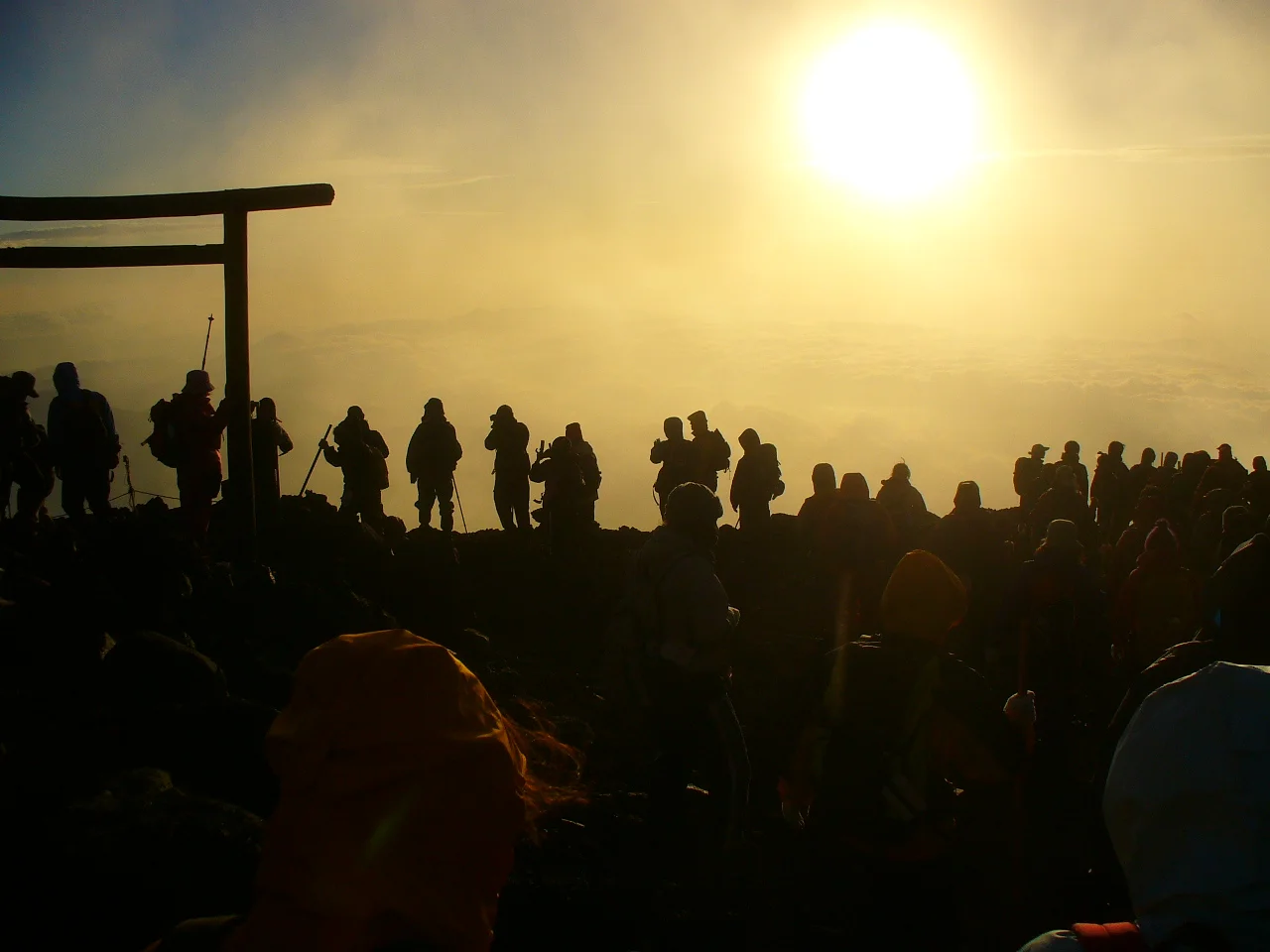
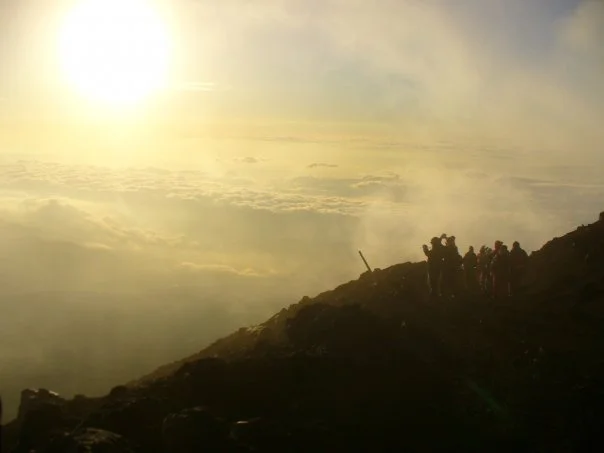
"Only a fistful of people begin their hike up Mount Fuji from the verdant Sangen Shrine at the bottom of the island volcano. Halfway up they encounter an army. These hordes of hikers drive or bus up the highway blasted into the mountain for the 1964 Olympics, and there almost every night in summer 3,000 people, winter coats in hand, backpacks of snacks of squid jerky and wasabi Kit Kat Bars, supplemental oxygen, and trekking poles, summit Japan’s tallest peak. They shine their way up the mountain in the dark, rising through the clouds in hopes of catching the sunrise from the roof of the volcano, which is called Go-raiko, the divine coming of the light.

Go-raiko is said to be good luck for a year, and I was beginning my year as an English teacher in Japan. A year would mushroom into three, but I didn’t know that then. Just as I didn’t know my obsession with mountains that led to a job as an outdoor instructor, blossoming when I lost my Christian faith, would dwindle as my praying once had. 

They say everyone must hike Fuji once, but only a fool would hike it twice. I would hike the volcano four times while in Japan, a symptom of my obsession with mountains not just for the views or the exhilaration or the macho-codified activity, though there was a little of that. I did it for what I felt the mountains meant to my inexplicable self, which I thought existed though I couldn’t then have articulated why. A visage of religion, a bland hope, a matter of instinct? Why did I feel satiated with a view out of Tokyo Bay and the Chichibu Mountains, with the clouds we rose above, the thunder and lightening reflecting my height then relative to the world? 

I didn’t know, still don’t really, if it’s a choice to believe, to believe in something ethereal. Mountain lust gripped me, as it sometimes does when I think back on why I would spend 24 hours hiking up and down a rivet of magmic earth, one of the most climbed, one of the most photographed mountains in the world, why I would hike in the dark, through a storm, to sit in the cold and wait for the same light which appears everywhere on earth..."
 

The Divine Coming of the Light, Winner, Torch Prize, Crab Orchard Review 23.3, Fall 2017

(Skip to page 109):

https://issuu.com/craborchardreview/docs/crab_orchard_review_vol_23_no_1_dec?e=30904264%2F56279411

"Only a fistful of people begin their hike up Mount Fuji from the verdant Sangen Shrine at the bottom of the island volcano. Halfway up they encounter an army. These hordes of hikers drive or bus up the highway blasted into the mountain for the 1964 Olympics, and there almost every night in summer 3,000 people, winter coats in hand, backpacks of snacks of squid jerky and wasabi Kit Kat Bars, supplemental oxygen, and trekking poles, summit Japan’s tallest peak. They shine their way up the mountain in the dark, rising through the clouds in hopes of catching the sunrise from the roof of the volcano, which is called Go-raiko, the divine coming of the light.

Go-raiko is said to be good luck for a year, and I was beginning my year as an English teacher in Japan. A year would mushroom into three, but I didn’t know that then. Just as I didn’t know my obsession with mountains that led to a job as an outdoor instructor, blossoming when I lost my Christian faith, would dwindle as my praying once had. 

They say everyone must hike Fuji once, but only a fool would hike it twice. I would hike the volcano four times while in Japan, a symptom of my obsession with mountains not just for the views or the exhilaration or the macho-codified activity, though there was a little of that. I did it for what I felt the mountains meant to my inexplicable self, which I thought existed though I couldn’t then have articulated why. A visage of religion, a bland hope, a matter of instinct? Why did I feel satiated with a view out of Tokyo Bay and the Chichibu Mountains, with the clouds we rose above, the thunder and lightening reflecting my height then relative to the world? 

I didn’t know, still don’t really, if it’s a choice to believe, to believe in something ethereal. Mountain lust gripped me, as it sometimes does when I think back on why I would spend 24 hours hiking up and down a rivet of magmic earth, one of the most climbed, one of the most photographed mountains in the world, why I would hike in the dark, through a storm, to sit in the cold and wait for the same light which appears everywhere on earth..."


C3.jpg
Summary Block
This block is invalid. Please check the block settings and try again.
Featured
Aenean eu leo Quam

Powered by Squarespace